Tracer - Civil society organizations
Leveraging AI to Expose Cyberattacks and Disinformation Impacting Civil Society
We expose the harm of cyberattacks and manipulation of information.
We collect, process, and analyse structured and unstructured data through a combination of AI tools, manual processing and expert knowledge.
We deliver actionable data to judicial authorities, underserved organisations, storytellers and policy makers.
 Numbers
 Incidents recorded since 2018
alerts sent to our community
attacks blocked
number of data sources
criterias of analysis applied
analytical reports produced
These are pieces of code designed to damage, destroy or subvert computer systems.
Type of a malware that is used to encrypt a target’s data and/or systems to extort a ransom payment in return for decryption/preventing sale or public release of stolen data. We separated ransomware-related incidents from other malware infections because ransomware attacks have a distinctive and multifaceted impact.
Type of cyberattack technique to flood a network, service or server with excessive traffic to cause it to cease functioning normally. It is said to be distributed when the source of the attack is composed of a multitude of devices or systems.
Type of cyberattack in which a threat actor impersonates a legitimate entity to attain sensitive information (e.g. usernames, passwords, or any other private information).
Type of cyberattack in which a threat actor impersonates a legitimate online source to deceive a target they are interacting with the legitimate entity, whereas the threat actor aims to obtain sensitive information, or conduct a subsequent cyberattack, through said interaction.
Type of cyberattack in which a threat actor impersonates an individual’s or entity’s digital identity to gain unauthorized access to online resources, systems, or data.
Type of cyberattack in which a threat actor exploits a vulnerability in a system or application by injecting malicious code into it.
Type of cyberattack that targets an entity’s supply chain to compromise the security of its systems, exploiting vulnerabilities in the relationships between the main entity and its supply chain partners.
A type of cyberattack exploiting human psychology to obtain confidential information in order to access online resources and systems.
Type of cyberattack in which a threat actor exploits the DNS protocol, which is primarily used for translating human-readable domain names into IP addresses, to send and receive arbitrary data between users and servers.
Type of cyberattack which exploits vulnerabilities of Internet of Things devices and networks connected to them.
The deliberate spread of false information with the intent to mislead, manipulate, or deceive individuals or groups, often used to influence public opinion or create confusion.
The creation and dissemination of harmful or malicious content (such as text, images, or videos) through artificial intelligence systems, often used to mislead, defraud, or manipulate individuals.
Coordinated efforts, often involving disinformation, psychological manipulation, or other deceptive techniques, aimed at influencing or disrupting a target audience’s beliefs, behaviors, or decisions, often for political, strategic, or ideological purposes.
Type of cyberattack which extracts confidential information, which is later used for political and/or ideological purposes.
The illicit or unauthorized modification of the appearance and content of a target’s websites and/or web applications.
intelligence Cycle we use AI to process DATA.
We have human to produce knowledge.
manually, automatically or somewhere in between, we collect data from primary data sources, open sources and closed sources which when combined together gives us a more comprehensive understanding of the cyber risks faced by vulnerable communities.
using data pipelines we clean and normalize data and evaluate its relevance and reliability to transform it from its raw form to exploitable information usable for analysis. This step of our intelligence cycle requires close collaboration between our analysts and technical engineers.
from data discovery, statistical analysis, Social Network Analysis to geotemporal analysis, we find hidden connections within large datasets. Using data visualization and analysis tools, including dashboards and graphical link analysis software, our analysts can connect information from disparate sources to find the answers to our research questions.
complex analysis must be accompanied by simple storytelling. Developing data-visualization platforms tailored to each research project and publishing clear reports and infographics allow us to communicate our findings with our community.
we learn from every project we deliver on. Taking on feedback from our community, our governance bodies and our partners we strive to produce improved analytical products in the future.
every research project begins with the setting of clear intelligence requirements and the definition of research questions that need to be answered. This ensures our research stays within scope, respects ethical research principles and avoids mission creep.
 analytical pipeline
 Our activity to identify relevant datasets
Using the OBSINT framework, identifying reliable data sources and indicators of harm.
Partnership NegotiationSecuring access to privileged APIs and exclusive datasets.
Our processes to organise datasets
Collecting structured and unstructured data from diverse sources to track emerging threats.
Incident ReportingReceiving reports from NGOs about cyberattacks.
Social Media & Web ScrapingExtracting relevant threat intelligence signals.
Dark Web MonitoringHarvesting cyber threat data from forums and marketplaces.
Automated Data IngestionCollecting and structuring data from APIs and real-time sources.
Our processes to protect and secure data
Documenting the purpose and flow of data to comply with security and regulatory standards.
Data Weeding & SanitizationRemoving redundant, outdated, or erroneous information.
Chain of Evidence AssuranceImplementing forensic techniques to maintain data integrity for legal and investigative purposes.
Privacy & Compliance ControlsEnsuring adherence to GDPR and other relevant regulations
Data normalization.
Named Entity Extraction based on provided schema
Semantic deduplication through embeddings stored in our vector store
Inclusion criteria through Prompt Engineering
Our processes to organise datasets
Mapping relationships between actors, threats, and vulnerabilities.
Data Dashboarding & VisualizationProviding real-time insights through interactive dashboards.
Threat Actor MappingProfiling adversaries based on tactics, techniques, and procedures (TTPs).
Vulnerability MappingIdentifying systemic weaknesses and their potential exploitation.
Behavioral & Trend AnalysisDetecting emerging cyber threats and disinformation patterns.
Our processes to transform data into intelligence
Identifying key actors, threats, and cyberattack patterns from unstructured data.
Automated Entity NormalizationStandardizing extracted information for consistency.
Multimedia AnalysisUsing object, text, and speech recognition to process images, videos, and audio content.
Vectorization & EmbeddingTransforming textual and numerical data into machine-readable formats for AI analysis.
Anonymization & PseudonymizationProtecting sensitive data while maintaining analytical utility.
Products Access in-depth analytical cyber threat landscape reports, interactive platforms for real-time exploration of cyber threats, and collaborative investigations conducted with partner organizations.
Leveraging AI to Expose Cyberattacks and Disinformation Impacting Civil Society
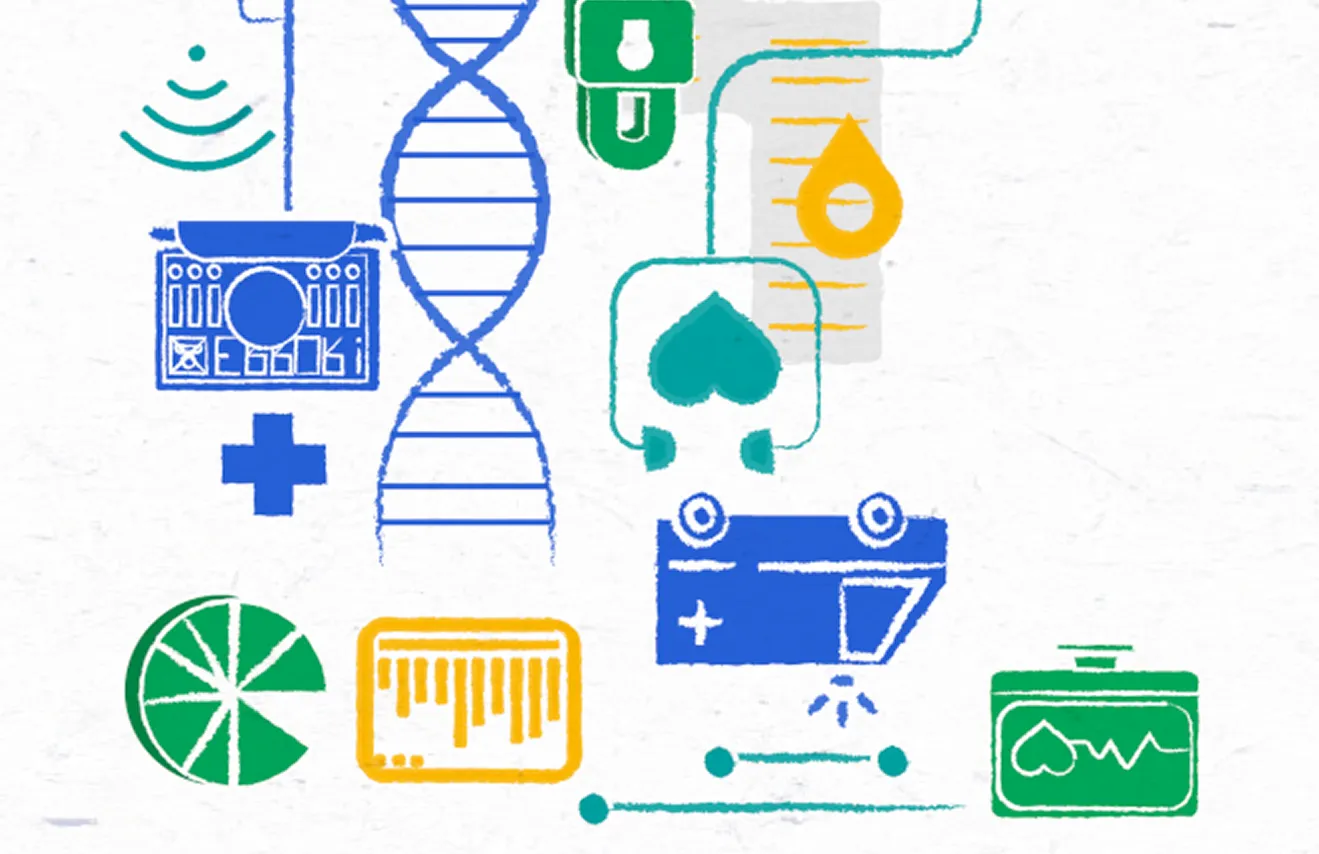
Cyberattacks on healthcare are attacks on people.
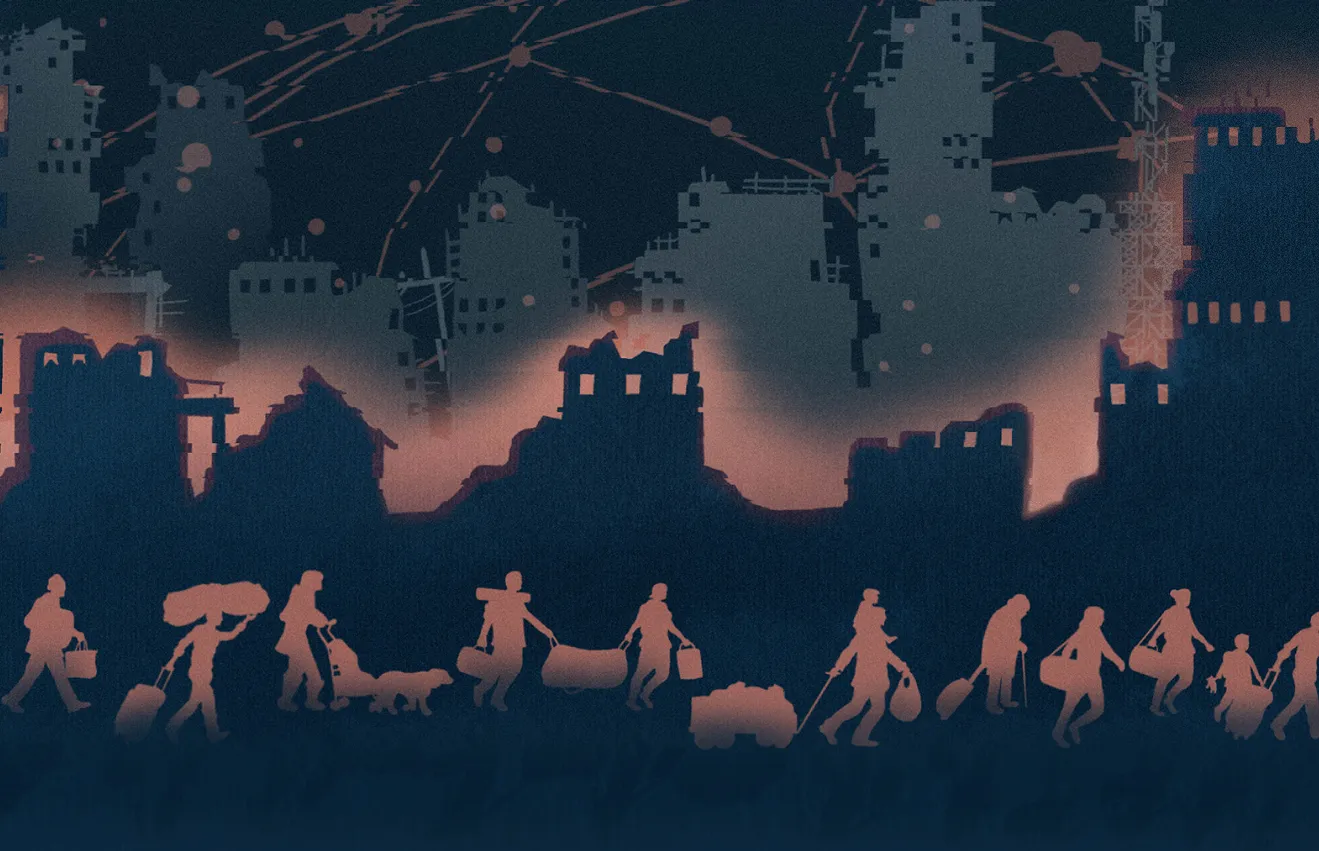
Monitoring the harm to civilians from cyberattacks, in the quest for cyberpeace.
Follow the Threat Actor
Cyberattacks on Healthcare are Attacks on People
Threat Landscape Report
Cybersecurity Challenges for MSMEs in the APAC Region
Threat Landscape and Recommendations
NGOs serving Humanity at risk: Cyber Threats affecting "International Geneva"
A Collective Intelligence Effort
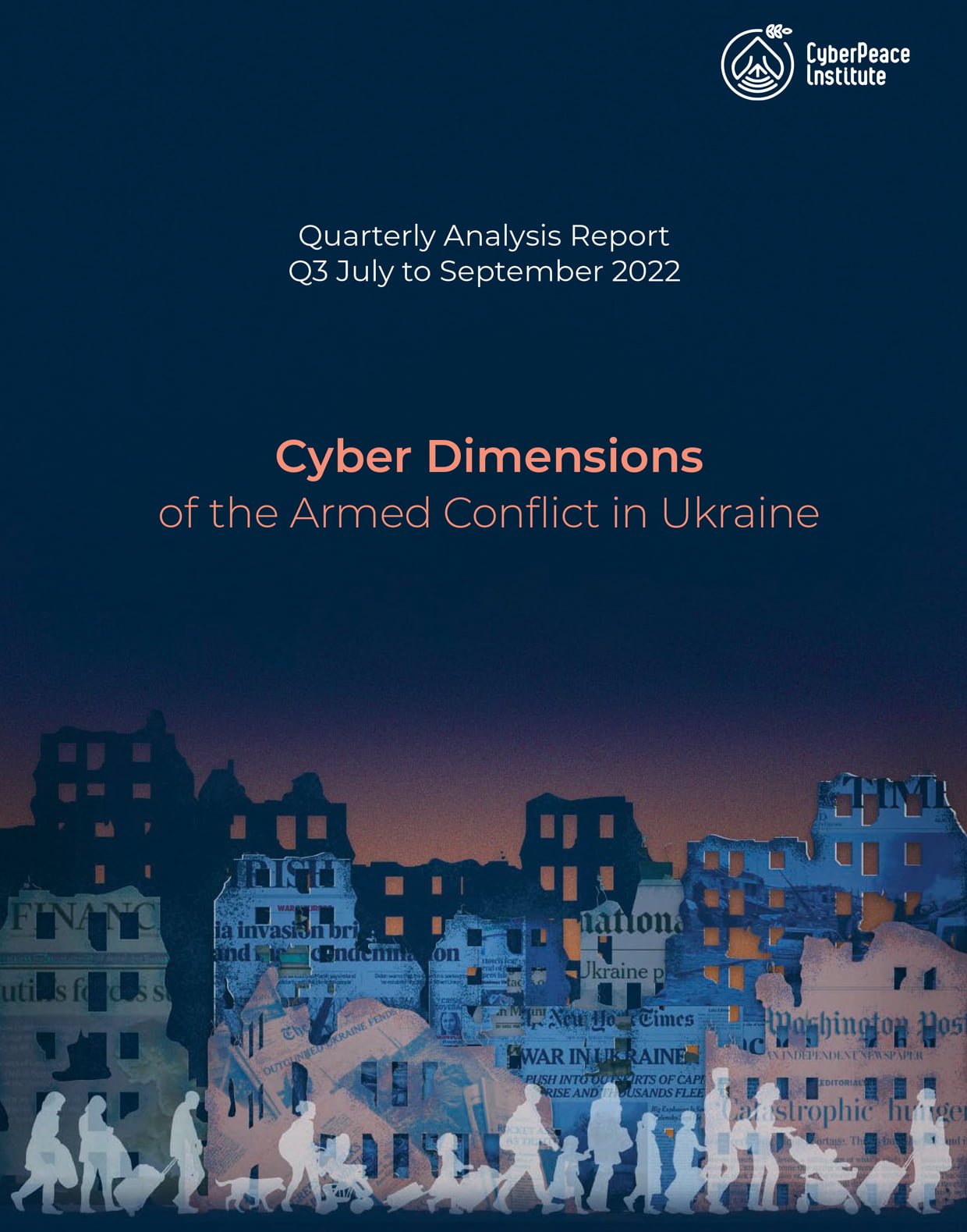
The report combines analysis of data collected in the Cyber Attacks in Times of Conflict Platform #Ukraine and information gathered through OSINT research. The CyberPeace Institute invites you to read about the trends and emerging issues relating to cyber incidents taking place in Ukraine, the Russian Federation and other countries impacted by cyberattacks in the context of the armed conflict. Looking into the sectors affected, the types of cyber threats they face and the most active threat actors we provide a greater understanding of the cyber threat landscape. We also address the cyber dimensions of the conflict through an assessment of the impact and harm of cyberattacks on civilians and people and addresswider considerations relating to key events, economic and geopolitical activities.
Read our reports